

Electronic Logging Device (ELD) Use and Regulations
Read time: 5 minutes
Electronic Logging Devices, or ELDs, help record driving hours for commercial motor vehicle operators. These systems connect directly to the commercial vehicle’s engine and track driving time, engine power status, engine hours, and miles driven in a standardised format. This technology supports compliance with federal hours of service rules and improves safety across the trucking industry. This guide explains how these systems work, the mandate behind them, and what drivers and carriers must know to stay compliant.
What Is an ELD?
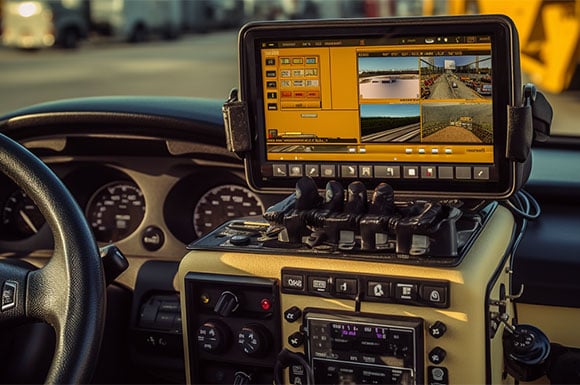
An ELD is an electronic hardware device that captures data from a vehicle’s engine to create an accurate record of duty status. This automatic log recorder replaces paper logs and older systems like AOBRDs. It also helps truck drivers and motor carriers meet federal requirements by capturing service data with more accuracy and consistency.
The device stores driving time, duty status changes, and operational data that can be reviewed by roadside inspectors and motor carrier safety officials. This supports transparency and reduces errors during compliance checks.
Benefits of Using ELDs
These systems offer several advantages for drivers and carriers, including:
- More accuracy: ELD equipment captures data automatically.
- Better compliance: Automatic recording supports hours of service regulations.
- Reliable tracking: Drivers gain more confidence in their records.
- Road safety: Accurate service data helps reduce fatigue-related risks.
- Simpler records: ELD systems reduce the need for paper logs and manual updates.
These benefits support day-to-day operations while helping carriers meet federal requirements.
The ELD Mandate and Who Must Comply
The federal mandate, known as the final rule, requires most interstate drivers who must keep RODS to use a compliant logging device. Some exceptions apply, such as:
- Vehicles manufactured before 2000
- Drivers keep paper logs for no more than eight days in 30 days
- Driveaway-towaway operations where the commercial motor vehicle is the commodity
This mandate ensures consistency, accuracy, and safety across commercial transportation.
Key Regulations for ELD Use
The Federal Motor Carrier Safety Administration sets clear rules for these systems.
Performance Standards
Each electronic logging unit must follow approved functional specifications. It records engine hours, driving time, duty status, miles driven, and other required data points in a standardised format.
Data Transfer Options
Drivers must be able to share information using wireless services, email, or local transfer options like USB or Bluetooth. These methods help inspectors review records during roadside inspections.
Driver Instructions
Drivers must keep instructions in the truck that explain how the device works, how to transfer information, and what to do during malfunctions.
Compliance and Enforcement
Carriers must monitor service data and address problems quickly. If non-compliant devices are used, companies may face violations or penalties.
Drivers and carriers should regularly verify that their electronic logging devices remain listed on FMCSA’s approved ELD registry.
If FMCSA removes a device from the approved list, carriers may need to replace the system within a required deadline.
Learn more in FCCR’s guide to FMCSA revoked ELDs and compliance requirements.
ELD Providers and Choosing the Right Device
Many providers offer systems that fit different business needs. Extra features may include GPS tools, digital inspections, or fleet management dashboards. When choosing compliance devices, carriers should consider:
- Whether the system meets federal requirements
- How the logging hardware connects to the vehicle’s engine
- Ease of use for commercial drivers
- Training and support options
- Whether the system meets operational and compliance goals
The right choice helps companies maintain accurate records and support safe operations.
Enforcement and Monitoring
During roadside inspections, officials compare ELD data with actual driver activity to verify accuracy. This process helps confirm that carriers are meeting federal requirements.
Carriers that do not ensure compliance may face fines or other enforcement actions. Regular internal checks help prevent these issues and support safer operations in the trucking industry.
Best Practices for Using ELDs
Motor carriers and drivers can support compliance by:
- Training drivers on proper ELD use
- Reviewing records regularly for accuracy
- Addressing malfunctions quickly
- Maintaining clear internal compliance procedures
- Keeping devices updated according to provider’s instructions
These steps help carriers maintain accurate records and support safe operations.
Transition From AOBRDs to ELDs
The transition from AOBRDs to compliant logging technology ended in December 2019. Carriers were required to use approved systems after this date. Some drivers used logging software during the transition, but all older systems needed to be replaced to meet the mandate.
ELD FAQs
An ELD records driving time, engine hours, miles driven, and duty status changes. It connects to a commercial vehicle’s engine to capture this data automatically. This information helps drivers and motor carriers meet hours of service rules.
Most interstate drivers who must keep records of duty status are required to use an ELD. Some drivers qualify for exemptions, such as those operating older vehicles or using paper logs for only a few days in 30 days. Drivers should review FMCSA rules to confirm their status.
If an ELD malfunctions, drivers must notify their motor carrier and follow FMCSA rules for documenting the issue. They may use paper logs until the device is repaired or replaced. Carriers must fix the problem within the allowed time frame.
Drivers and carriers should regularly check FMCSA’s registered ELD list to confirm their device remains approved for use. If FMCSA revokes a device, carriers may need to replace it within a required time frame.
AOBRDs were older systems used before the ELD rule took effect. ELDs follow newer functional specifications that require more accurate data recording and easier access for safety officials. The FMCSA ended the AOBRD transition period in 2019, so carriers must now use compliant ELDs.
Read More:
- FMCSA Revoked ELDs and Compliance Risks
- FMCSA Announces Removal of ELD ONE From List of Registered ELDs
- FMCSA Revokes Three ELDs, Sets 2026 Replacement Deadline

He is the Lead Content Specialist at FCCR, where he develops educational content focused on trucking compliance, DOT regulations, and FMCSA registration requirements. He works closely with compliance processes and industry systems to provide clear, accurate guidance for owner-operators and carriers.